Proven Grass Maintenance Strategies
Recognize the Job of a Landscaper in Designing and Upkeeping Vibrant Outdoor Environments
The role of a landscaper extends beyond mere aesthetics. They blend artistic talent with environmental guidelines to design long-lasting green spaces. By means of meticulous plant selection and deliberate planning, they enhance functionality while fostering species variety. Still, the impact of their work goes much further than single land parcels. Grasping the multifaceted responsibilities of landscapers uncovers serious effects for public welfare and environmental health. Which elements genuinely influence their judgments in forming these essential green spaces?
The Craft and Discipline of Landscape Design
Though some see landscape design as just a visual endeavor, it essentially combines creativity and knowledge to produce harmonious outdoor spaces. A skilled landscape designer has to know the core design concepts, like symmetry, size relation, and pattern, while also taking environmental elements into account. The incorporation of local vegetation, ground composition, and regional environments is fundamental in forming long-term ecosystems.
Utilizing artistic elements including color, texture, and form, landscape designers craft beautiful areas that resonate with human emotions. At the same time, scientific knowledge makes certain that these designs are feasible and long-lasting, dealing with factors like drainage, plant growth, and pest management.
With this blend of artistry and scientific understanding, landscapers turn ordinary areas into lively, practical settings that improve people's quality of life and foster a connection to nature. In the end, landscape design is a reflective practice that promotes a greater understanding for the surrounding world.
Key Abilities and Requirements of a Landscaper
To succeed within the field of landscaping, individuals should hold a varied collection of talents that combine technical knowledge with real-world application. A strong understanding of horticulture is vital, allowing them to pick suitable vegetation and know their cultivation needs. Skill with landscape design software is becoming more important, which helps experts to develop precise blueprints and visual aids for customers.
Additionally, physical stamina and manual dexterity are necessary, as landscaping commonly includes heavy lifting, digging, and operating machinery. Communication skills are also important, which permits them to interact with clients and team members effectively.
Academic training in landscape architecture or a related field boosts a landscaper's professional standing, and professional certificates from recognized organizations may further validate their knowledge. Ultimately, a combination of these skills and credentials prepares landscapers to provide attractive and functional outdoor spaces, satisfying the requirements of their clientele.
Selecting and Sourcing Plants for Best Results
A landscaper's ability to select and source plants is essential for developing successful exterior spaces. This process involves a keen understanding of horticultural science, environmental factors, and earth varieties. By analyzing the particular environmental context, landscapers may determine varieties that will thrive in the specific setting, leading to perfect cultivation and hardiness.
Moreover, sourcing plants from reputable nurseries or regional producers is vital. This not only guarantees the health and quality of the plants but also supports sustainable practices. Landscapers frequently look at indigenous species, which are suited to regional environments and require less maintenance, making them an environmentally friendly choice.
Furthermore, the picking procedure should factor in variations across seasons, guaranteeing the exterior stays lively throughout the year. Through thoughtfully selecting a wide array of flora, landscapers establish beautiful areas and supporting ecological balance and ecological balance, ultimately leading to sustainable outdoor environments.
Developing Usable Outdoor Settings: Structure and Aesthetics
Creating functional outdoor spaces demands close attention of arrangement and structure to ensure efficient use of the area. A skilled landscaper balances aesthetic appeal with usable features, bettering the feel of the setting. Deliberate arrangement not only maximizes usability but integrates seamlessly into the nearby setting.
Efficient Use of Area
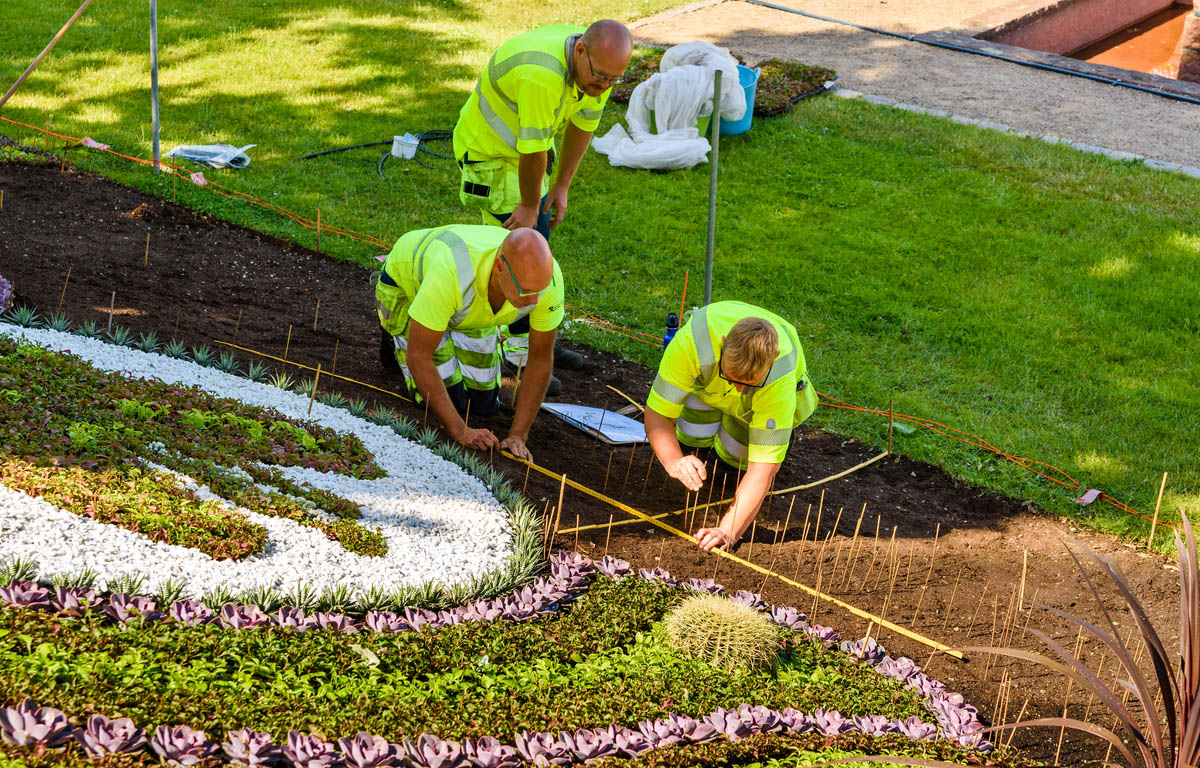
Although numerous property owners see their outdoor spaces as mere extensions of their interior environments, effective space utilization changes these spaces into functional and inviting settings. Landscapers are vital in evaluating the unique dimensions and features of every area, ensuring that every square foot is optimized for purpose and relaxation. Thoughtful layout and design integrate components such as trails, rest areas, and greenery that facilitate transit and socializing. Navarre Landscaper. By evaluating factors like sunlight, wind patterns, and pre-existing buildings, designers develop integrated spaces that cater to the living requirements of the property owners. This thoughtful approach boosts usability but also cultivates a sense of connection between interior and exterior areas, making them integral parts of a unified lifestyle
Balancing Aesthetics and Function
Establishing a perfect visual and practical harmony in outdoor spaces demands close attention of the aesthetic components and practical use. Landscapers must analyze the intended purpose of the space alongside the visual appeal. As an illustration, creating a seating area should incorporate relaxing furnishings while ensuring it fits with adjacent greenery and pathways. Good spatial organization incorporates natural flow, allowing for easy movement and ease of use. Incorporating features such as illumination, fountains, and varied flora improves both the aesthetics and practicality. Additionally, using robust supplies guarantees that outdoor spaces resist diverse atmospheric elements, keeping them operational over time. Finally, a well-executed landscape plan combines aesthetic pleasure with utility, developing spaces that invite enjoyment and satisfy the demands of users.
Why Environmental Sustainability Matters in Landscape Design
Ecological responsibility in landscaping is vital for conserving environmental assets and fostering species variety. By focusing on environmentally sound plantings and using efficient water-saving strategies, landscapers can create outdoor spaces that are both beautiful and environmentally responsible. This approach boosts the look of the space but also supports the long-term health of the ecosystem.
Eco-Friendly Plant Selection
How can landscapers contribute to a healthier ecosystem through their selection of flora? Through the use of local and drought-resistant plants, landscapers are crucial players in advancing ecological responsibility. Navarre Landscaper. Indigenous species need less water and maintenance, aiding regional fauna and reducing the need for synthetic nutrients and chemical sprays. They establish deeper root systems, improving the ground quality and mitigating washout. Additionally, using a wide selection of species of plants fosters biodiversity, which is crucial to ecosystem resilience. Landscapers can additionally adopt organic practices, including composting and mulching, to decrease environmental impact. Through careful plant selection, they don't just create vibrant outdoor spaces but also help ensure the preservation of local ecosystems and the overall health of the environment
Water Conservation Techniques
Landscapers are key to boosting sustainability in outdoor environments by implementing effective water conservation techniques. One popular method is the use of xeriscaping, which means picking drought-resistant plants that demand minimal irrigation. Additionally, landscapers may install efficient irrigation systems, such as drip irrigation, which delivers water directly to the plant roots, minimizing waste. Rainwater harvesting systems can also be incorporated, making possible the collection and storage of rainwater for landscape use. Mulching helps retain soil moisture and lessens evaporation, further contributing to water conservation. Furthermore, landscapers should inform clients about appropriate watering schedules to ensure efficient use of water resources. By employing these techniques, landscapers are crucial in promoting environmental sustainability while preserving vibrant outdoor spaces.
Maintenance Strategies for Successful Outdoor Areas
While many may view maintenance as a routine chore, it is critical for cultivating vibrant outdoor environments. Effective maintenance practices ensure that landscapes are kept healthy and aesthetically pleasing throughout the seasons. Regular tasks feature mowing, pruning, and weeding, which help to promote growth and prevent the spread of pests and diseases.
Irrigation systems should be checked and adjusted to make certain plants receive adequate water without too much runoff. Mulching not only retains moisture but keeps weeds down, contributing to a cleaner appearance. Fertilization, when used carefully, provides crucial nutrients that strengthen plant health.
Additionally, addressing drainage issues is critical to prevent waterlogging, which can damage root systems. Seasonal assessments enable landscapers to identify and address potential problems before they worsen. Through these diligent maintenance practices, landscapes can thrive, fostering environments that are both useful and visually appealing.
The Financial and Communal Benefits of Outdoor Environments
Despite being commonly disregarded, outdoor environments are vital in improving profitability and societal welfare among neighborhoods. Thoughtfully planned green spaces draw in commerce and raise real estate prices, since prospective purchasers value beauty and natural areas. Furthermore, designed environments aid community commerce through supplying sites for functions and enjoyable pastimes, promoting travel and neighborhood involvement.
Regarding community life, these environments support emotional balance and physical condition, offering residents places to relax, exercise, and connect with nature. Parks and gardens serve as communal hubs, reinforcing social ties and encouraging community involvement. Additionally, neatly kept outdoor spaces mitigate urban warmth, improve air quality, and enhance biodiversity, creating healthier living conditions.
Fundamentally, green areas do more than just enhance local aesthetics but also deliver considerable monetary gains and nurture neighborhood connection, rendering them vital parts of successful neighborhoods.
Commonly Asked Questions
What Instruments Are Standard for Landscaping Jobs?
Landscapers regularly use tools such as spades, garden claws, shears, grass cutters, and cultivators. In addition, they often employ wheelbarrows, hedge trimmers, and edgers to effectively shape and maintain outdoor spaces according to design specifications and client preferences.
How Do Landscapers Handle Pest Control in Outdoor Spaces?
Gardeners address infestations utilizing holistic methods, including identifying pest species, implementing biological or chemical solutions, fostering advantageous arthropods, and implementing preventive measures like proper plant selection and habitat insightful guide management to ensure green environments remain robust.
What Difficulties Do Landscape Professionals Encounter on the Job?
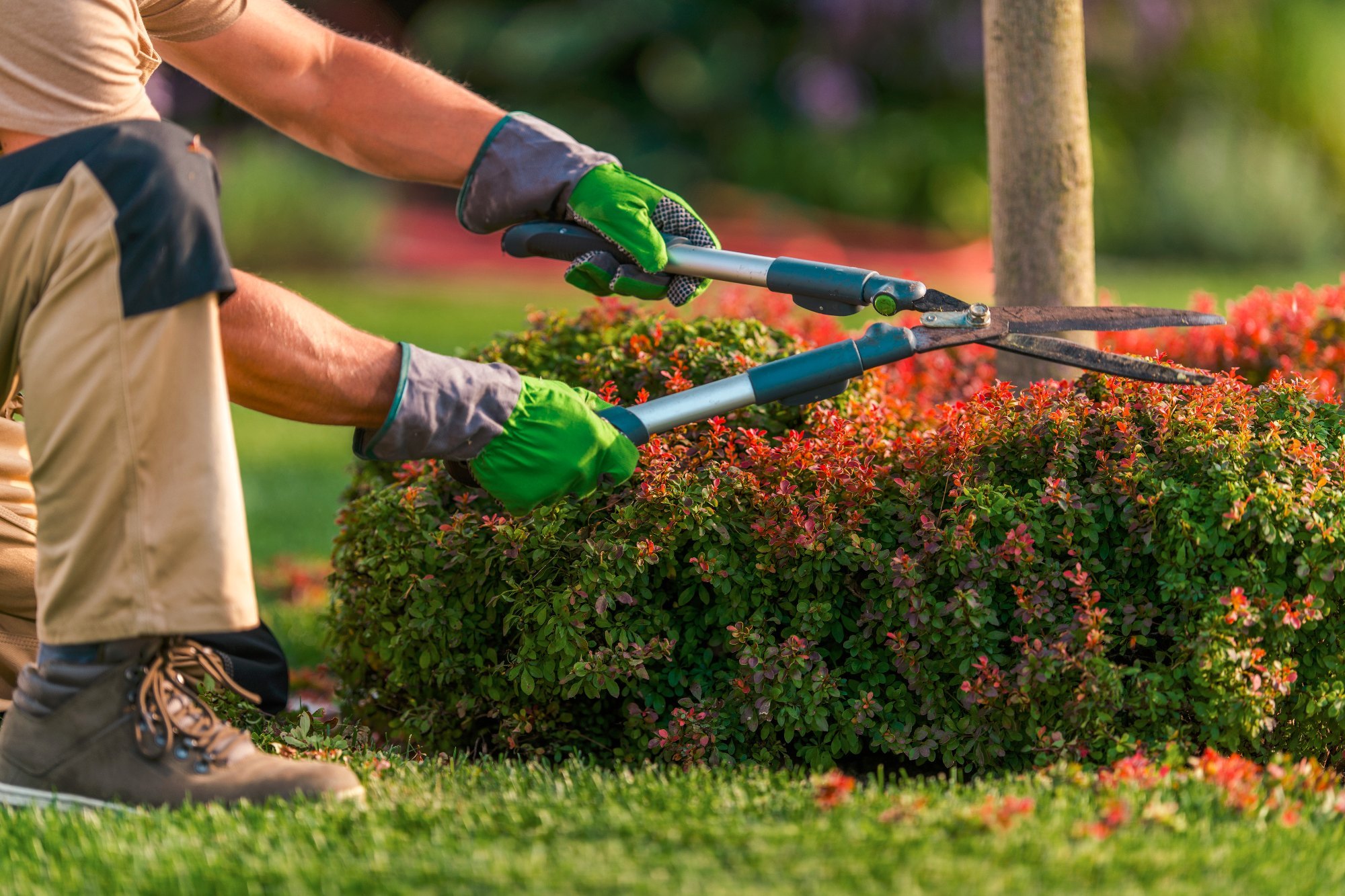
Gardeners commonly run into difficulties like volatile atmospheric conditions, monetary restrictions, earth composition problems, pest invasions, and patron requirements. These factors can complicate project timelines and impact the final outcome of the greening effort.
How Do Seasonal Changes Impact Landscape Design and Care?
Seasonal changes heavily influence gardening efforts and care, because warmth, moisture levels, and sun exposure dictate plant vitality, earth quality, and pest behavior. Landscapers must adapt their strategies accordingly to guarantee successful outcomes throughout the year.
What is the standard duration for completing a landscape design job?

A common landscaping project timeframe spans a short period to several months. Factors influencing duration are comprised of project complexity, weather conditions, and seasonal considerations, necessitating detailed planning and management for successful completion.